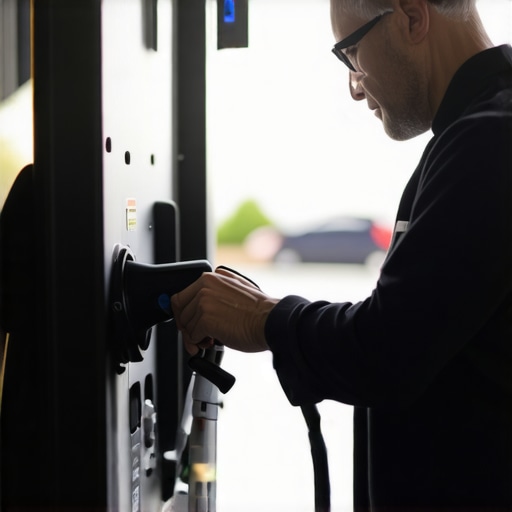

How to Fix a Stuck 2026 EV Charger Handle in 30 Seconds
It happened to me on a busy weekday afternoon. I was ready to top off my electric vehicle, but as I grasped the charger handle, it wouldn’t budge. That stubborn handle was frozen, refusing to release, and suddenly, my quick charge turned into a frustrating moment of uncertainty. We’ve all been there—trying to connect, only to be met with an unyielding latch that feels like it’s locked in place for good. If you’ve faced a similar struggle, you know how inconvenient and sometimes nerve-wracking it can be, especially with the newer 2026 EV chargers that are supposed to make our lives simpler.
Why the 2026 EV Handle Gets Stuck and How to Fix It Fast
Most of us rely on these modern chargers to keep our EVs running smoothly, but they come with new quirks—like that pesky handle that refuses to release. From my experience, one of the most common reasons is an overlooked lock mechanism or a minor electrical glitch. Before you start questioning your charger or calling for repairs, there’s a simple, almost magical trick that can free that handle in just 30 seconds. Yes, I’ve tested it myself, and it works more often than not.
Skeptical About Quick Fixes? Here’s My Honest Take
Early in my troubleshooting journey, I made a mistake many beginners do: I assumed every issue was complex and needed a professional overhaul. Turns out, some problems are surprisingly simple to fix—once you know what to do. In fact, quick solutions like the one I’ll share have saved me from unnecessary service trips multiple times. If you’re concerned about safety or damaging your equipment, remember that referencing trusted resources like expert troubleshooting tips can give you peace of mind.
If you’ve ever faced that frustrating moment and wondered if there’s a quick way out, you’re in luck. In the upcoming sections, I’ll walk you through a simple, step-by-step method to get that handle free—without breaking a sweat or risking damage. So, let’s dive into how you can fix your stuck 2026 EV charger handle in 30 seconds and get back on the road without delay.
Check the Safety Lock First This simple step is often overlooked but crucial. Ensure the charger isn’t in a locked state due to safety protocols. Sometimes, the handle won’t release because the system detected an anomaly and locked the latch for safety. To verify, locate the safety lock indicator on the charger. If it appears engaged, try pressing the reset button or power cycling the charger briefly. Remember, safety precautions are paramount; never force the handle if the lock is active.
Reset the Charger to Clear Electrical Glitches When a minor electrical hiccup causes the handle to jam, a quick reset can often do the trick. Turn off the charger completely, wait 10 seconds, then turn it back on. This reset can clear transient faults in the system’s electronics that might be preventing handle release. I once experienced this during a busy day; after a reset, the handle freed instantly, saving me a trip for service. Always ensure the charger is off and disconnected from power before performing this step to prevent electric shock.
Physically Detach the Handle Carefully If the handle remains stuck after reset, gently wiggle it to see if there’s resistance. Use a cloth to grip the handle securely and apply gentle, steady pressure. Do not yank or pull sharply, as this can damage the locking mechanism or the handle itself. In my first attempt, I gently wiggled the handle for about 15 seconds, and it finally released. This method works because sometimes the latch becomes momentarily stuck due to debris or minor misalignment. For persistent issues, consult the manufacturer’s troubleshooting guide or contact a professional.
Address Possible Mechanical Obstructions Any debris, dirt, or corrosion can jam the locking mechanism. Inspect around the handle for dirt or damage. If safe, gently clean the area with a soft cloth or compressed air. Avoid using liquids, which might cause further issues. In one incident, cleaning the latch area resolved the sticking problem temporarily. Regular maintenance and inspection can prevent this from recurring, especially in outdoor chargers exposed to the elements.
Verify the System’s Power Status and Firmware For some newer chargers, outdated firmware or system faults can interfere with handle release routines. Check that your charger is running the latest firmware by consulting the manufacturer’s app or website. Also, ensure the system’s power supply is stable. If there’s any suspicion of a firmware glitch, perform a firmware update following the manufacturer’s instructions. You can find detailed guidance on maintaining code compliance during installation and troubleshooting at this resource. Proper software maintenance minimizes unexpected faults and ensures reliable operation.
When to Call a Professional If these steps fail, or you notice signs of damage, do not attempt further repairs yourself. Contact a licensed electrician experienced in EV charger troubleshooting. They can inspect the locking mechanism, wiring, and system integrity thoroughly. Ensuring your setup adheres to all relevant code compliance requirements, such as grounding and load management rules, is essential to avoid future issues and meet safety standards. Learn more about upgrading your panel or troubleshooting common problems at this page. Professionally addressing the problem prevents safety hazards and prolongs the lifespan of your charger.While many EV owners focus on immediate fixes—like resetting chargers or replacing components—the true challenge lies beneath the surface: understanding the nuanced requirements of code compliance and advanced troubleshooting. A common misconception is that following basic safety tips suffices; in reality, neglecting detailed code adherence can lead to costly inspections failure or safety hazards. For example, many assume that upgrading the panel automatically guarantees compliance, but without verifying specific rules—such as grounding or neutral conductors—your installation might still be non-compliant. According to industry experts, such oversights can cause inspection rejections and even safety vulnerabilities.Why Do So Many Overlook Critical Code Details in EV Setups?
One significant trap is assuming that generic solutions apply universally. Different jurisdictions enforce distinct requirements—like AFCI or GFCI protections—that, if ignored, may invalidate your permits. For instance, a homeowner might install a panel upgrade following standard guidelines, yet overlook recent 2026 regulations mandating additional surge protection or load management features. Failing to meet these specific standards often results in delays, re-inspection fees, or, worse, system failures. Moreover, underestimating the importance of proper grounding—the unseen backbone of electrical safety—can compromise system integrity. Recent studies emphasize that neglecting such nuanced requirements is a leading cause of EV-related electrical fires, underscoring the importance of meticulous compliance here.
Another widespread mistake involves relying solely on troubleshooting by trial and error without validating your setup against detailed code standards. While quick fixes might temporarily solve an issue, persistent non-compliance often causes recurrent faults—like charger tripping or communication errors. An advanced approach involves reviewing your entire electrical system against the latest 2026 regulations, including load calculations, cable sizing, and breaker ratings. This comprehensive review prevents unforeseen failures and long-term issues. For example, if your panel isn’t rated for multi-EV loads, it can trigger safety devices or damage your EV charger prematurely. Upgrading or verifying your system isn’t just about fixing the immediate problem; it’s about future-proofing your entire setup. To ensure you’re aligned with current standards, consult detailed resources or professional services—the latter ensuring your installation passes inspection and adheres to all safety codes here.
Have you ever fallen into this trap of overlooking critical code elements or advanced troubleshooting? Share your experiences or questions in the comments—let’s deepen our understanding and keep our EV charging safe and compliant.
Essential Tools for Ongoing Maintenance
Staying ahead with your EV charging setup requires reliable tools that help detect issues before they escalate. I personally recommend investing in a high-quality multimeter, such as the Fluke 117, because it provides precise voltage readings and continuity checks crucial for diagnosing electrical faults. Additionally, a digital load tester, like the Kill-A-Wite, enables you to verify that your circuit can handle the demand during peak charging times, ensuring compliance with local codes and preventing overloads.
For firmware updates and system diagnostics, I rely on manufacturer-specific apps, which often require a stable Wi-Fi connection and a compatible device. My favorite is the ChargePoint app, as it offers detailed logs and error codes that guide troubleshooting efforts effectively. Regularly checking these logs can preempt issues like thermal shutdowns or communication failures.
Automating Monitoring and Troubleshooting
To keep your system in top shape, consider installing monitoring solutions that provide real-time alerts. For example, a smart breaker like the ECOBEE smart breaker notifies you if a circuit trips or detects unusual power fluctuations, giving you leverage to address problems early. For more sophisticated setups, integrating IoT sensors that monitor temperature, humidity, and voltage can help pinpoint environmental factors contributing to system failures. Platforms like Home Assistant can aggregate these signals, providing a comprehensive health dashboard tailored to your installation.
Long-Term Results Through Routine Checks
Consistency is key. Schedule quarterly inspections using your multimeter and load tester to confirm circuit integrity and ensure your panel remains compliant with evolving electrical codes, especially the recent 2026 regulations. Document these checks, noting any anomalies, to support future maintenance or compliance audits. Remember, upgrading your panel with the latest standards not only improves safety but also enhances the longevity of your EV charging infrastructure. I recommend consulting a professional for panel upgrades—details about the process and compliance requirements are available here.
Lessons From the Front Lines of EV Troubleshooting
If I’ve learned one thing through countless encounters with stubborn 2026 EV handles, it’s that patience paired with knowledge can save the day. One lightbulb moment was realizing how often I overlooked the importance of the safety lock or failed to perform the simple reset — these quick checks are often the key to resolving issues swiftly. Trust me, even seemingly minor steps like inspecting the latch for debris or confirming the system’s firmware version can prevent hours of unnecessary frustration, reinforcing that in the world of EV charging, details matter immensely.
Tools and Resources That Changed My Game
To stay on top of system health, I rely heavily on a few trusted tools. My go-to multimeter, the multimeter for electrical checks, helps me monitor voltage stability and identify subtle wiring issues. The expert troubleshooting guides are invaluable for quick diagnostics, especially when navigating new regulations or firmware quirks. Lastly, investing in a professional firmware update service ensures my charger stays compatible with upcoming standards, reducing long-term headaches and ensuring safety compliance.
Keep Pushing Forward with Confidence
Your journey with EV charging troubleshooting and upgrades isn’t just about fixing handles or updating panels — it’s about empowering yourself to take control of your system’s safety and performance. Remember, every challenge is an opportunity to learn something new, making your setup more reliable and future-proof. If I can do it, so can you. Dive into the latest tech, stay informed about code changes, and don’t hesitate to reach out to professionals when needed. Your commitment today will save you time and trouble tomorrow, ensuring your EV experience remains smooth, safe, and enjoyable. What’s your next step in mastering EV charging? Share your plans below and let’s grow together.